Accessories

What is the difference between a mini split AC and a traditional furnace for heating?

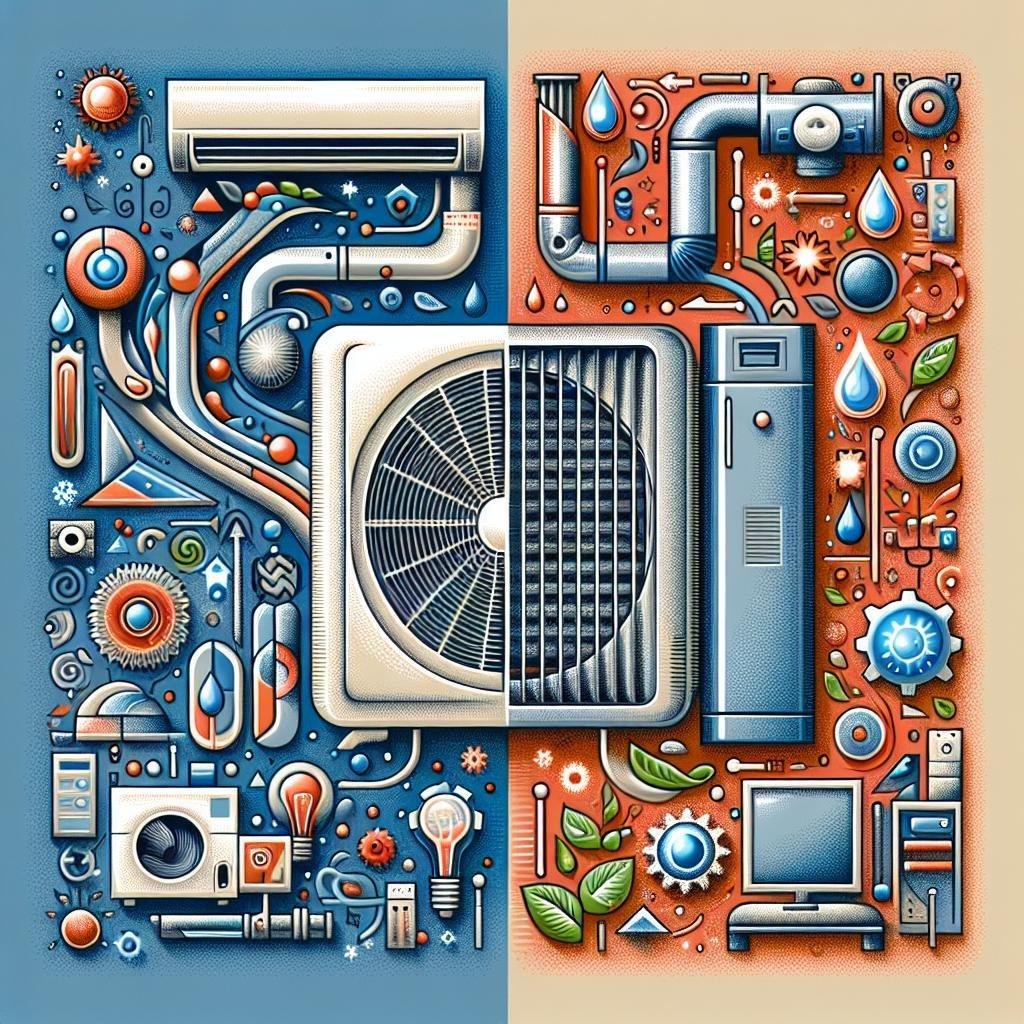
Picture this: ItS a chilly winter evening, and you’re cozied up at home, sipping hot cocoa and wondering why your neighbor keeps raving about their fancy mini split system while you’re still faithfully using your trusty old furnace. Both keep homes toasty warm, but they’re as different as penguins and polar bears – each with their own unique way of getting the job done. Let’s dive into the interesting world of home heating and uncover the key differences between these two temperature-taming titans that could transform the way you think about keeping warm.
Temperature Control and Efficiency: Comparing Mini Split Heat Pumps vs Traditional Furnace systems
When it comes to maintaining your ideal home temperature, mini split heat pumps showcase remarkable precision in temperature control. These systems utilize advanced inverter technology that continuously adjusts their output,maintaining temperatures within 1-2 degrees of your desired setting. Unlike traditional furnaces that cycle on and off throughout the day, mini splits operate at variable speeds, which means they’re constantly fine-tuning their performance to match your exact heating needs. This results in fewer temperature fluctuations and those uncomfortable hot and cold spots that frequently enough plague homes with conventional heating systems.
The efficiency battle between these heating solutions reveals some striking differences. While modern furnaces typically achieve efficiency ratings between 80-98% AFUE (Annual fuel Utilization Efficiency), mini split heat pumps can deliver up to 300% efficiency by moving heat rather than generating it. this translates to significant advantages:
- lower monthly energy bills throughout the heating season
- Reduced carbon footprint with minimal energy waste
- Zone-specific temperature management
- Quieter operation compared to forced-air systems
| System Type | Energy Efficiency | Temperature Variance |
|---|---|---|
| Mini Split | 300% | ±1°F |
| Traditional Furnace | 80-98% | ±3-5°F |
Installation Requirements and Space Considerations: Wall Mounted Units vs Ducted Solutions
Choosing between these two cooling systems involves careful consideration of your available space and setup requirements. Mini-split systems excel in adaptability, with indoor units that can be mounted high on walls, taking up minimal real estate in your living areas. Their compact design makes them perfect for room-by-room temperature control, requiring only a small hole in the wall for connecting to the outdoor unit. The outdoor component needs just a sturdy surface and proper clearance for efficient operation.
On the flip side, traditional ducted furnace solutions demand significant space for both the central unit and the extensive ductwork network.While the main unit typically lives in a basement, attic, or dedicated utility room, you’ll need to account for:
- Ductwork pathways thru walls, floors, or ceilings
- Return air grilles in central locations
- Supply vents in each room
- Access space for maintenance and filter changes
| System Type | indoor Space Required | Installation Complexity |
|---|---|---|
| Mini Split | 2-3 sq ft wall space | Moderate |
| Ducted Furnace | 25-30 sq ft + ducts | Complex |
Cost Analysis and Energy Bills: Understanding Long Term Investment Between mini Splits and furnaces
Investing in your home’s heating solution requires careful consideration of the long-term financial impact. Mini splits typically offer significant energy savings,consuming up to 40% less electricity than traditional furnaces due to their advanced inverter technology. while the initial purchase and installation costs may be higher for ductless systems, monthly utility bills often show a noticeable decrease within the first year of operation. many homeowners report saving $30-50 per month during peak heating seasons, making the investment increasingly attractive over time.
Beyond pure energy consumption, several factors influence the total cost equation:
- Maintenance requirements and associated expenses
- Lifespan of the equipment (typically 15-20 years for mini splits, 10-15 for furnaces)
- Available tax incentives and rebates for energy-efficient upgrades
- Zoning capabilities and room-specific temperature control
| System Type | Average Initial Cost | Monthly Energy Cost | Yearly Maintenance |
|---|---|---|---|
| Mini Split | $3,000-$7,000 | $60-90 | $150 |
| Furnace | $2,500-$6,000 | $100-150 | $200 |
Comfort Zones and Climate Adaptability: How Each System Tackles Different Weather Challenges
Traditional furnaces excel in delivering consistent warmth during harsh winters, notably in regions with prolonged cold seasons. These systems utilize a single, powerful heat source that efficiently distributes warmth through a network of ducts, making them ideal for larger homes in colder climates. Though, they might struggle with temperature consistency across different rooms and can be less effective in milder conditions where subtle temperature adjustments are needed.
Mini splits shine in their ability to create personalized climate zones and adapt to varying weather conditions. Their innovative design allows for precise temperature control in individual spaces, making them particularly effective in homes with diverse heating needs. This adaptability proves invaluable during seasonal transitions, where some rooms might need heating while others require cooling.
| Weather Condition | Mini Split Performance | Furnace Performance |
|---|---|---|
| Extreme Cold | Good to -13°F | Excellent |
| Mild Weather | excellent | Fair |
| Temperature Swings | Highly Adaptable | Less Flexible |
Q&A
Q: What exactly is a mini split AC?
A: Great question! A mini split AC, or ductless mini-split system, consists of an outdoor compressor and one or more indoor air handlers. They excel at both heating and cooling spaces efficiently. they’re often used in homes without ductwork and are famed for their flexibility and ease of installation.
Q: And what about a traditional furnace? How does it work?
A: Traditional furnaces are the stalwarts of home heating! They generate warmth by burning fuel (like natural gas or propane) or using electricity. This heat is then distributed throughout the home via ducts and vents. It’s a tried and true method that many rely on during those chilly winter months!
Q: What’s the main difference in how they heat a space?
A: A mini split AC uses refrigerant to move heat rather than creating it. In cooling mode, it removes heat from your home; in heating mode, it pulls heat from the outside air (even when it’s cold) and moves it inside. On the flip side, a traditional furnace generates heat and pushes it through ducts, relying on combustion or electric resistance. So, one moves heat around, and the other creates it!
Q: Which is more energy-efficient?
A: Generally speaking, mini splits have an edge in energy efficiency. They can adjust their output based on the temperature, meaning they don’t waste energy. Plus, they can offer heating at a fraction of the energy cost. Traditional furnaces can be efficient too, but they tend to work harder to reach the desired temperature, which can lead to higher energy bills.
Q: Do I need ductwork for mini splits?
A: Nope! That’s one of the beauties of mini splits. They are ductless, so if you have a home without existing ductwork, you can still enjoy efficient heating and cooling. Traditional furnaces, in contrast, usually require a whole duct system installed throughout your home.
Q: What about installation? Is it a hassle?
A: Mini splits usually win again! they involve a simple installation of a small hole in the wall for the refrigerant line, making them less invasive and quicker to set up. Traditional furnaces can require significant work, especially if ducts need to be installed or upgraded.
Q: How do they compare in terms of maintenance?
A: Maintenance for both systems is significant, but mini splits can be less demanding. Their filters should be cleaned regularly, but they’re designed to need less maintenance than traditional furnaces, which may require regular inspections and cleanings to ensure safe operation.
Q: Which is better for my home?
A: Ultimately, it depends on your specific needs! If you live in a moderate climate and want both heating and cooling in one system, a mini split might be the way to go. If you live in an area that experiences harsh winters and require powerful heating, a traditional furnace could be more suited for you.Be sure to consider efficiency, installation, and layout of your home before deciding!
Q: What’s the bottom line?
A: Both systems have their perks! mini splits offer flexible, efficient heating and cooling with easy installation, while traditional furnaces provide robust heat that’s trusted. consider your space, climate, and preferences to find the best fit for your cozy haven!
In Summary
As we wrap up our exploration of the cozy world of heating options, it’s clear that choosing between a mini-split AC and a traditional furnace isn’t just about temperature control; it’s about lifestyle, efficiency, and comfort. Mini-splits may offer flexibility and energy savings, while traditional furnaces bring the charm and reliability of classic home heating.
Ultimately, the best choice for you depends on your home, your needs, and how you envision your perfect sanctuary during those chilly nights. Whether you prefer the sleek, modern vibe of a mini-split system or the warm embrace of a traditional furnace, both options can create a welcoming haven when the frosty winds blow outside.
So, as you embark on this heating journey, remember to consider your space, budget, and preferences. We hope this friendly guide has helped illuminate the path toward a toastier home. Here’s to staying warm, cozy, and happy all winter long!